

Runners Have An Increased Chance of Developing Plantar Fasciitis
Plantar fasciitis, particularly common among runners, presents a significant risk. Young male athletes have a 10% chance of experiencing this foot condition during their running careers.
Plantar fasciitis in runners typically begins just beneath the surface of the foot, where a band of tissue that stretches from the heel to the toes becomes inflamed. This condition, known as plantar fasciitis, causes pain, especially when bearing weight, whether standing, walking, or running.
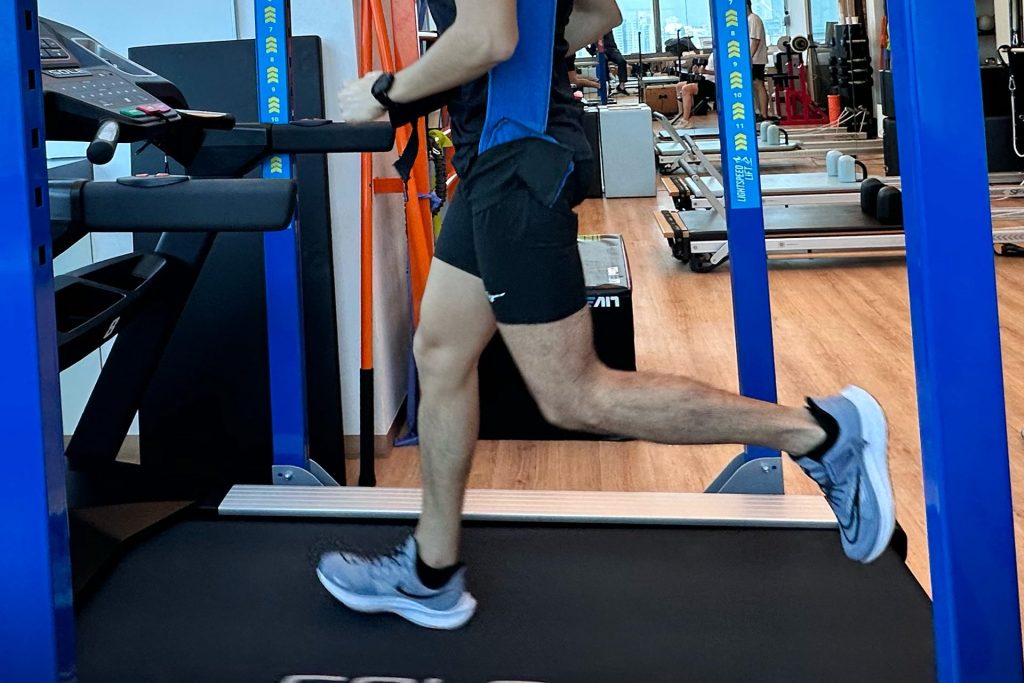
This discomfort is most acute in the morning when the foot emerges from its resting state and the fascia is at its tightest. The first steps of the day can be particularly painful.
The impact of plantar fasciitis tends to intensify with age. Our bodies produce less collagen as we age, a key component for maintaining tissue flexibility. This reduction makes the plantar fascia less elastic, thereby increasing the risk of pain recurrence.
Let’s delve into the complex relationship between running and plantar fasciitis, uncovering prevention strategies and effective treatments to help ensure it doesn’t disrupt your love of running.
Recognizing Plantar Fasciitis Symptoms
Plantar fasciitis can cause two types of pain: a consistent dull ache or a sharp pain when the foot is extended or stretched. Either way, the pain lies in the plantar fascia just above the sole of the foot. The pain can vary depending on the time of day or even how much stretching the patient does.
Runners might feel this pain most during push-off in their stride, when the plantar fascia is stretched to its limit. The pain traces along the foot’s arch, intensifying when the foot bears weight without a warm-up, such as in the morning or before a run. Starting as a slight ache, it can escalate into a chronic issue if ignored or if one resumes rigorous training prematurely.
Though a professional diagnosis from a doctor or physiotherapist is ideal, the location of the pain and its peak timing can suggest plantar fasciitis.
A Running Physio’s Personal Encounter with Plantar Fasciitis
Read related article
Runner’s Guide to Safe Return to Sport after Injury
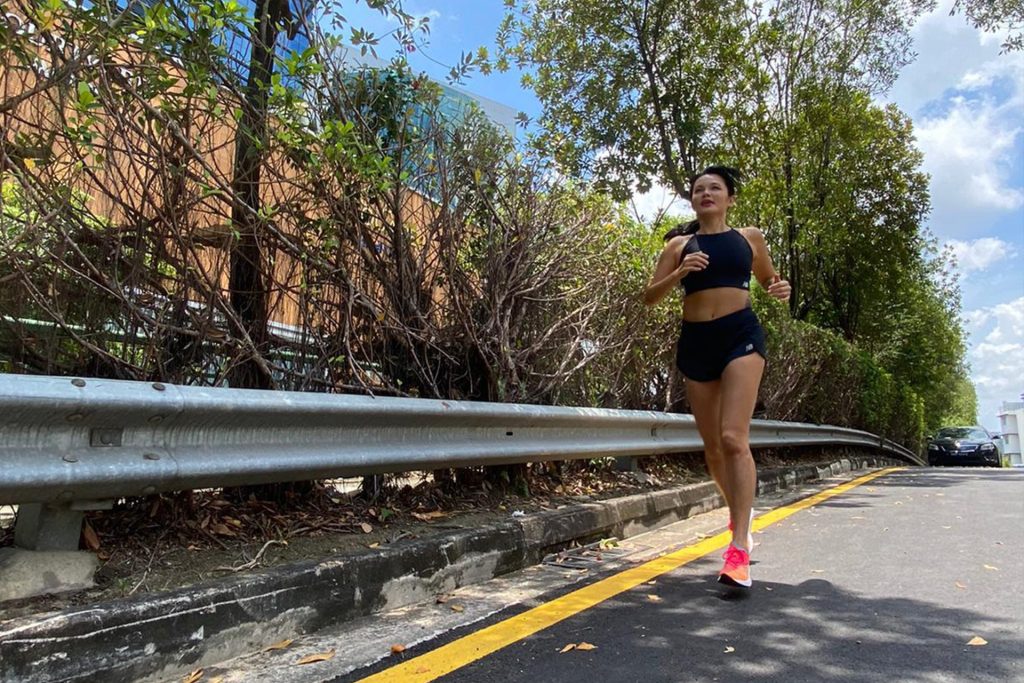
Meet Jenny Huang, the dynamic founding physiotherapist at HelloPhysio and a passionate runner dedicated to helping others achieve pain-free running. Yet, even for an expert like Jenny, life often throws unexpected challenges. Despite her deep expertise, she grappled with the condition she frequently treats — plantar fasciitis, a testament that no one is immune to life’s physical demands.
Jenny’s days usually start with pre-dawn long runs, which energise her for her packed clinic schedule. However, the long hours on her feet began to take their toll, culminating in persistent heel pain that accompanied her throughout the day. It was a humbling twist of fate: the physiotherapist, now a patient in her speciality.
Undeterred, Jenny embraced targeted treatments such as Shockwave Therapy and INDIBA® Activ, the same adjunctive therapies she uses in clinical practice daily to address plantar fasciitis.
Jenny’s comeback story is nothing short of inspirational. She hasn’t just returned to running; she continues to excel as an elite athlete in prestigious events, including the Great Eastern Women’s Run for the past few consecutive years and the Standard Chartered Singapore Marathon.
Read related article
Top 5 Running Injuries: Get to the Marathon Starting Line Strong
How Long Should I Stop Running, or Can I Still Run with Plantar Fasciitis?
The recovery time for plantar fasciitis varies with the severity of the injury and the treatment approach. While there’s no set timeline for when runners can resume their sport, the absence of foot pain under pressure is a reliable indicator that it’s safe to resume. However, waiting for complete pain relief may not be feasible for avid runners.
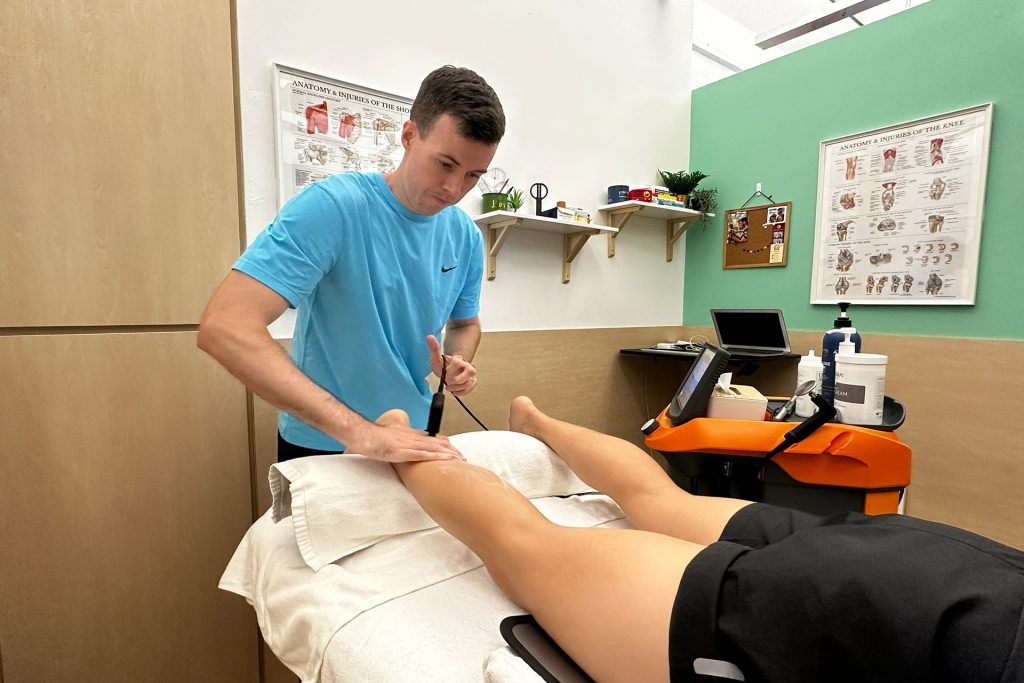
Physiotherapy accelerates recovery, making early treatment essential to injury rehab. A 1 to 3 weeks rest from high-impact activities is recommended, but this is just part of the healing process. Treatments like Shockwave Therapy can further enhance recovery.
Shockwave Therapy for plantar fasciitis promotes angiogenesis by stimulating the formation of new blood vessels and releasing growth factors, including Vascular Endothelial Growth Factor (VEGF). This process enhances blood flow, bringing essential nutrients and oxygen to the injured area, thus accelerating healing.
The therapy also boosts cellular metabolism, stimulating collagen production, crucial for tendon and ligament repair. Additionally, it provides pain relief by modulating nerve fibers responsible for pain transmission, reducing inflammation, and even breaking down calcified fibroblasts in chronic conditions.
These collective actions at the cellular level alleviate pain and stimulate tissue regeneration, making Shockwave Therapy an effective tool when treating plantar fasciitis in runners.
A gradual approach is best when considering a return to running with plantar fasciitis. Starting with a gentle jog-walk routine allows runners to respond to their body’s cues and avoid exacerbating the injury. Consulting with a physiotherapist is vital to determine the safest way to resume running, with treatments like taping potentially aiding a quicker, safer return.
Gillet J found her damage was fixed “after only 3 sessions” and described it as the “best physio for runners.” JL Lee had a similar experience, stating her 9-month pain lessened significantly “in just 2 sessions” through HelloPhhysio’s targeted treatments. Others like Brian Chan and Alice Thain found their heel pain subsiding quickly after only a few sessions, after suffering for years with intermittent pain when standing or walking.
Key Takeaways
As one of the most common injuries, affecting about a third of runners, plantar fasciitis has a significant impact on runners worldwide. If you’re suffering from it, consider seeing a physiotherapist who treats musculoskeletal sports injuries with shockwave physiotherapy to get you back on your feet faster.
By combining traditional and the latest therapies, HelloPhysio’s physiotherapists can help relieve plantar fasciitis pain and reactivate cellular growth to promote collagen synthesis in the heel, so you can return to running and training without a constant stabbing or dull ache.
Contact us today to arrange a session with a senior physiotherapist to discuss a targeted treatment plan for plantar fasciitis.